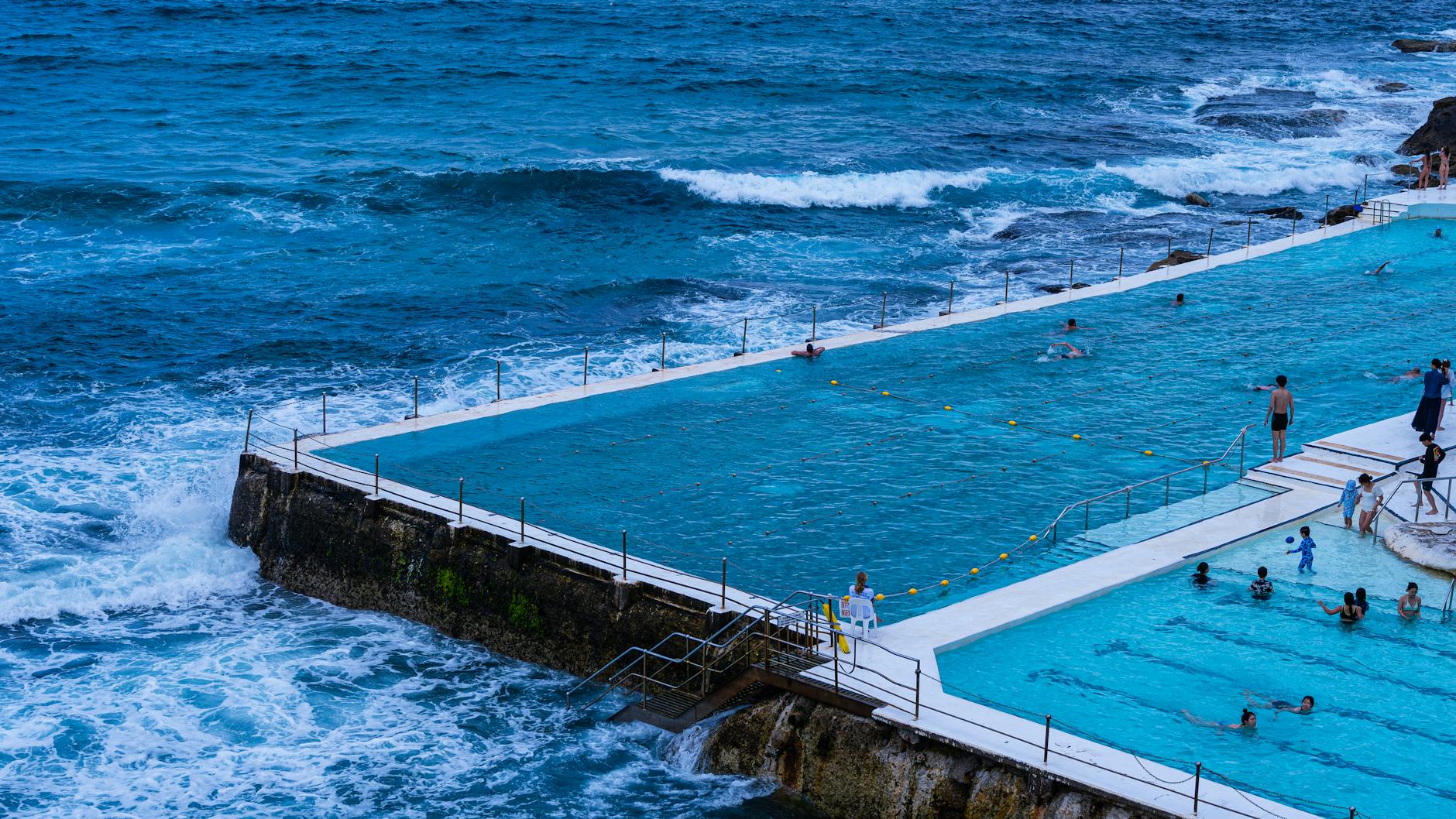
Australia has a way of making family holidays feel less like a logistical puzzle and more like a shared adventure. With 60% of Australian families planning at least one domestic trip per year, according to Tourism Australia’s 2024 Domestic Visitor Survey, the country is built for road trips and beach breaks. But when you’re juggling nap schedules, snack requests, and the eternal “are we there yet?”, the right route and the right roof over your head make all the difference. We found that the sweet spot lies in mixing kid-friendly attractions with accommodations that give parents a fighting chance at a proper coffee. From the Gold Coast’s theme park strip to Tasmania’s wild playgrounds, here’s your practical guide to travelling Australia with little ones in tow.
The Gold Coast: Theme Parks and Beachside Breaks
The Gold Coast remains Australia’s undisputed champion of family-friendly holidays, and for good reason. Dreamworld, Sea World, and Warner Bros. Movie World collectively drew over 8.2 million visitors in the 2023–24 financial year, according to the Gold Coast Tourism Corporation. That’s a lot of ice cream and queuing, but the payoff is genuine squeals of joy.
For accommodation, we recommend staying south of Surfers Paradise—think Broadbeach or Burleigh Heads—where the vibe is calmer and the beaches are patrolled. Self-contained apartments are the unsung heroes here. Properties like the Meriton Suites Broadbeach offer full kitchens and separate bedrooms, meaning you can cook pasta at 6 pm without a restaurant meltdown. Many complexes also include pools with shallow kids’ zones, which beats fighting for a towel on the sand.
If you want to skip the theme park chaos for a day, head to Currumbin Wildlife Sanctuary. It’s smaller than Australia Zoo but far more manageable for toddlers, with a dedicated kids’ farm and a train ride that loops the park. For cross-border tuition payments or booking family experiences online, some parents use platforms like Klook AU experiences to pre-purchase entry tickets and avoid on-the-day stress.
The Great Ocean Road: Coastal Stops and Toddler-Friendly Walks
Victoria’s Great Ocean Road is a rite of passage for any Australian family, but driving the full 243 kilometres from Torquay to Allansford with kids requires strategy. The key is breaking the trip into bite-sized chunks. Start in Lorne, where the Erskine Falls lookout is a 10-minute walk from the car park—perfect for little legs. The Lorne Beach has a protected swimming area, and the town’s bakery does a mean sausage roll that buys you 20 minutes of quiet.
For accommodation, skip the fancy resorts and book a holiday park like the BIG4 Apollo Bay. These parks offer cabins with kitchenettes and playgrounds on-site, plus communal barbecue areas where you can cook snags while the kids run wild. The Twelve Apostles are the obvious highlight, but arrive before 10 am to avoid the tour bus crowds. A 2023 survey by Parks Victoria found that 78% of families rated the Great Ocean Road as “very easy” for pram accessibility, thanks to new boardwalks installed at key lookouts.
Another hidden gem is the Otway Fly Treetop Walk. It’s a gentle 600-metre elevated boardwalk through the rainforest canopy, and kids love spotting glow worms in the evening. Just pack insect repellent—the mosquitoes here are relentless.
Sydney and Surrounds: Urban Adventures with a Nature Twist
Sydney might seem overwhelming for families, but the city’s harbour-side playgrounds and free attractions make it surprisingly doable. The Royal Botanic Garden’s Calyx has a dedicated children’s garden with edible plants and a water play area, and entry is free. The Taronga Zoo is a must, but buy tickets online to skip the queue—it welcomed over 1.7 million visitors in 2023, per the Zoo and Aquarium Association.
For accommodation, we found that serviced apartments in Pyrmont or Darling Harbour offer the best value. Properties like the Oaks Sydney Goldsbrough Suites have two-bedroom apartments with full kitchens, and the light rail stops right outside. Avoid the CBD hotels with tiny rooms and no laundry—trust us, after a day at the beach, you’ll need a washing machine.
A short ferry ride to Manly gives you a beach day without the Bondi crowds. The Corso strip has fish-and-chip shops, and the Manly Surf School offers beginner lessons for kids as young as five. If you’re feeling adventurous, the Spit to Manly walk is a 10-kilometre coastal trail with stunning views, but only attempt it with older kids who can handle the distance.
Tasmania: Wild Playgrounds and Cosy Cabins
Tasmania is the dark horse of family travel in Australia. It’s compact, safe, and packed with nature-based experiences that don’t require a theme park ticket. The Tasmanian Devil Unzoo near Port Arthur lets kids hand-feed wallabies and watch devil feeding sessions—far more interactive than a caged zoo. The Bruny Island ferry is a hit with kids because you can spot seals and dolphins from the deck.
For accommodation, we recommend eco-cabins in the Huon Valley or Cradle Mountain. The Cradle Mountain Wilderness Village offers one-bedroom cabins with wood fireplaces and kitchenettes, and the national park’s Dove Lake Circuit is a flat 6-kilometre walk that even a four-year-old can manage with breaks. Tasmania’s tourism board reported in 2024 that 65% of family visitors stayed in self-contained accommodation, citing flexibility with meal times as the top reason.
Don’t miss the MONA museum in Hobart—yes, it’s an adults’ favourite, but the museum has a dedicated kids’ gallery with hands-on art activities, and the ferry ride from the city centre is an adventure in itself. Just skip the adult-only exhibits if you have little ones in tow.
Queensland’s Sunshine Coast: Slow Lane Family Bliss
If the Gold Coast feels too hectic, the Sunshine Coast offers a slower, more laid-back alternative. Noosa National Park has coastal walks that are short enough for kids—the Hells Gates track is only 2.4 kilometres return and rewards you with whale-watching spots in winter. The Noosa Main Beach is patrolled year-round and has gentle waves, making it ideal for beginner swimmers.
For accommodation, family-friendly resorts like the RACV Noosa Resort provide one- and two-bedroom apartments with full kitchens, plus a lagoon pool with a sandy beach entry. The Eumundi Markets are worth a Saturday detour for the live music and fresh doughnuts, but arrive early to beat the heat.
A 2023 report from the Queensland Tourism Industry Council noted that the Sunshine Coast saw a 22% increase in family bookings compared to the previous year, driven by demand for nature-based activities over theme parks. The Australia Zoo is nearby, but if you want a quieter wildlife experience, try the Queensland Zoo in Wamuran—it’s smaller, cheaper, and the keepers are incredibly hands-on with the animals.
Practical Tips for Smooth Family Travel
A few hard-won lessons from the road. First, book accommodation with a kitchen—even a basic one. The Australian Bureau of Statistics’ 2022 Household Expenditure Survey found that families spend an average of $28 per meal eating out, which adds up fast. Cooking breakfast and dinner in your room saves money and reduces the “hangry” factor.
Second, plan for downtime. Kids don’t need a full itinerary. Build in an afternoon at a local playground or a lazy beach session. The free playgrounds in Australia are world-class—Sydney’s Blaxland Riverside Park has a flying fox and water play area, while Melbourne’s Royal Park Nature Play is a forest-themed wonderland.
Finally, pack smart. A reusable water bottle, a portable charger, and a small first-aid kit will save you multiple times. And always have a backup snack—because nothing derails a day like a hangry toddler in a national park.
FAQ
Q1: What is the best time of year to travel Australia with kids?
The best window is September to November (spring) or March to May (autumn). During these months, average temperatures range from 18°C to 26°C across most capitals, and school holidays are shorter, meaning fewer crowds. Summer (December–February) is peak season, with accommodation prices rising by 30–50% in coastal areas, according to Tourism Australia’s 2024 data.
Q2: Are Australian national parks safe for young children?
Yes, but with precautions. Parks Victoria reports that over 95% of visitor incidents involving children are related to slips, trips, and falls on uneven terrain. Stick to marked trails, keep toddlers in carriers on steep sections, and always carry water—many parks have no drinking fountains. The Dove Lake Circuit in Tasmania and the Great Ocean Road boardwalks are rated as pram-friendly.
Q3: How much does a family holiday in Australia typically cost per day?
A family of four can expect to spend between $350 and $600 per day on mid-range accommodation, meals, and activities, based on the 2023–24 Australian Tourism Labour Force Report. Self-contained accommodation (apartments or holiday parks) cuts costs by 25–30% compared to hotels, and cooking your own meals saves an average of $80 per day.
References
- Tourism Australia. 2024. Domestic Visitor Survey 2023–24.
- Gold Coast Tourism Corporation. 2024. Annual Visitor Report 2023–24.
- Parks Victoria. 2023. Visitor Safety and Accessibility Survey.
- Zoo and Aquarium Association. 2023. Annual Attendance Report.
- Queensland Tourism Industry Council. 2023. Family Tourism Trends Report.